Hog hunting for the first time – my trip to High Plains Hunts (Turkey, TX)
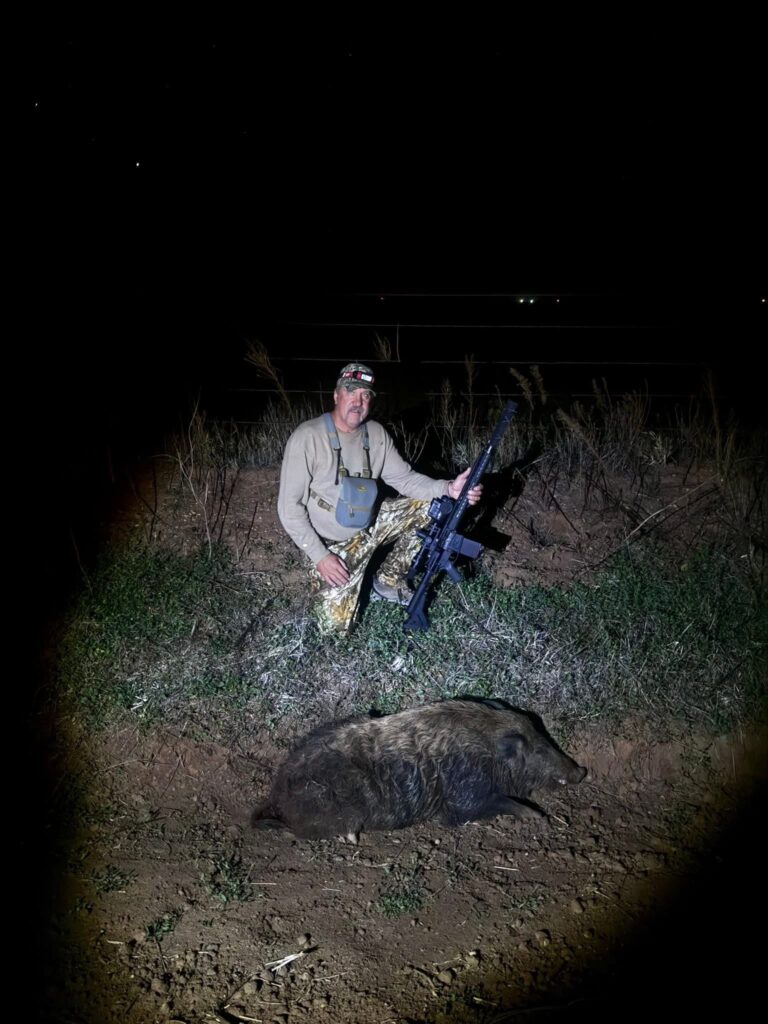
I just got back from my first-ever hog hunt at High Plains Hunts in Turkey, Texas – and man, what a trip.
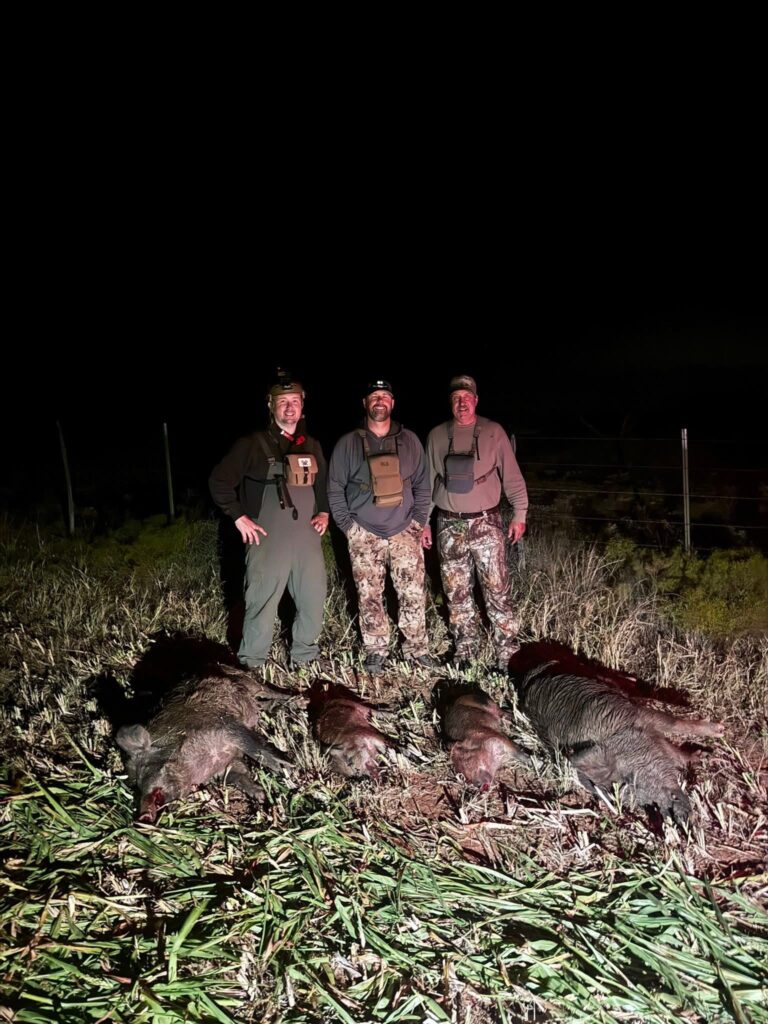
This wasn’t one of those feeder hunts where everything’s handed to you. This was spot-and-stalk: driving in the dark from field to field, covering tons of ground, finding groups of hogs and trying to close the distance. It’s loud, messy, fast, and way more fun than sitting over a feeder. We killed 64 hogs in 3 nights What learned about rifles and rounds
Semi-autos are the ticket – an AR-platform makes life easier. Whether it’s an AR-15 or AR-10 depends on the round you want to run.
If you plan to use an AR-15, don’t go with light hits like .223 or 300 Blackout for big hogs. Step up to heavier, meat-and-bone rounds – 6mm ARC with 100 grain bullets or something 6.5 Grendel-based is a much better choice.
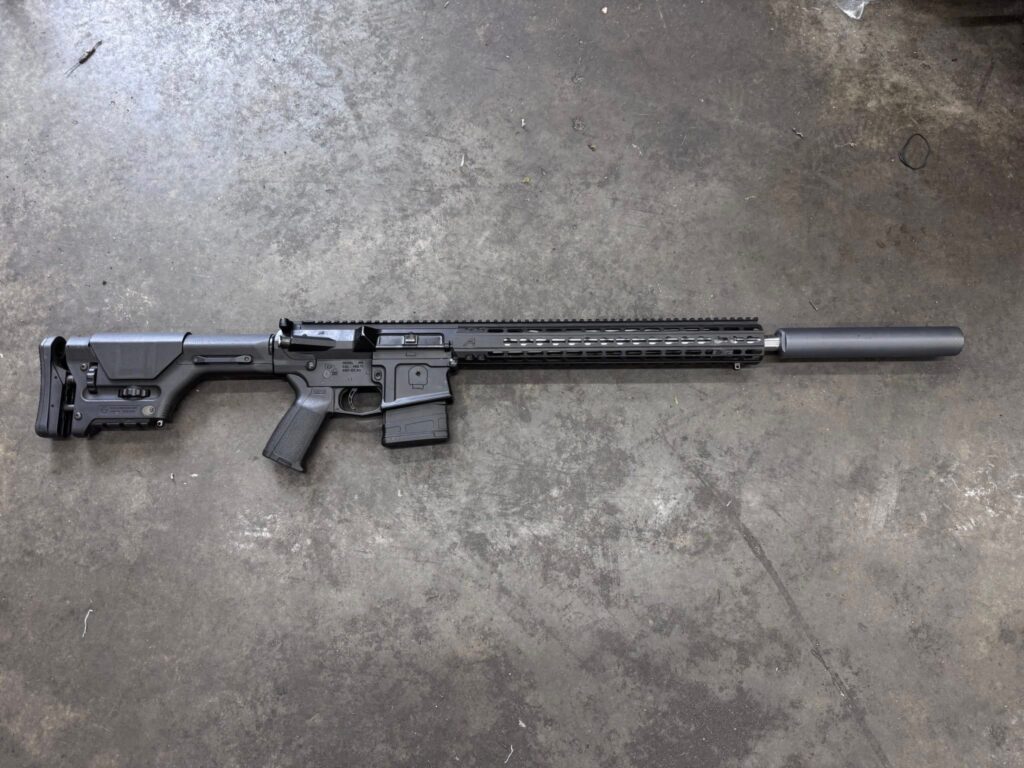
I’m partial to an AR-10. On this trip a buddy ran a 6mm Creedmoor, I ran a 6.5 Creedmoor, and Tim ran a .308. The 6.5 felt like the sweet spot – manageable recoil but plenty of knockdown power. When you hear a solid thump on a hog, you know it’s working. I dropped one at about 280 yards and another at 401 with 125-grain Winchester OTM – they went down hard. Lighter bullets just wouldn’t have done that.
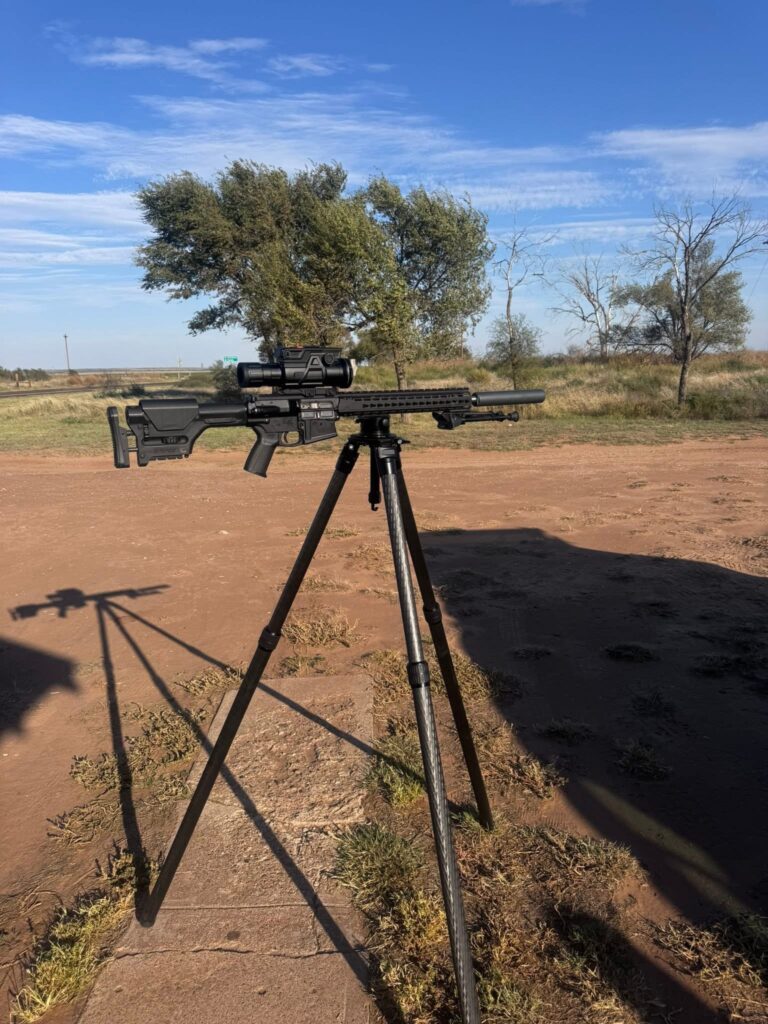
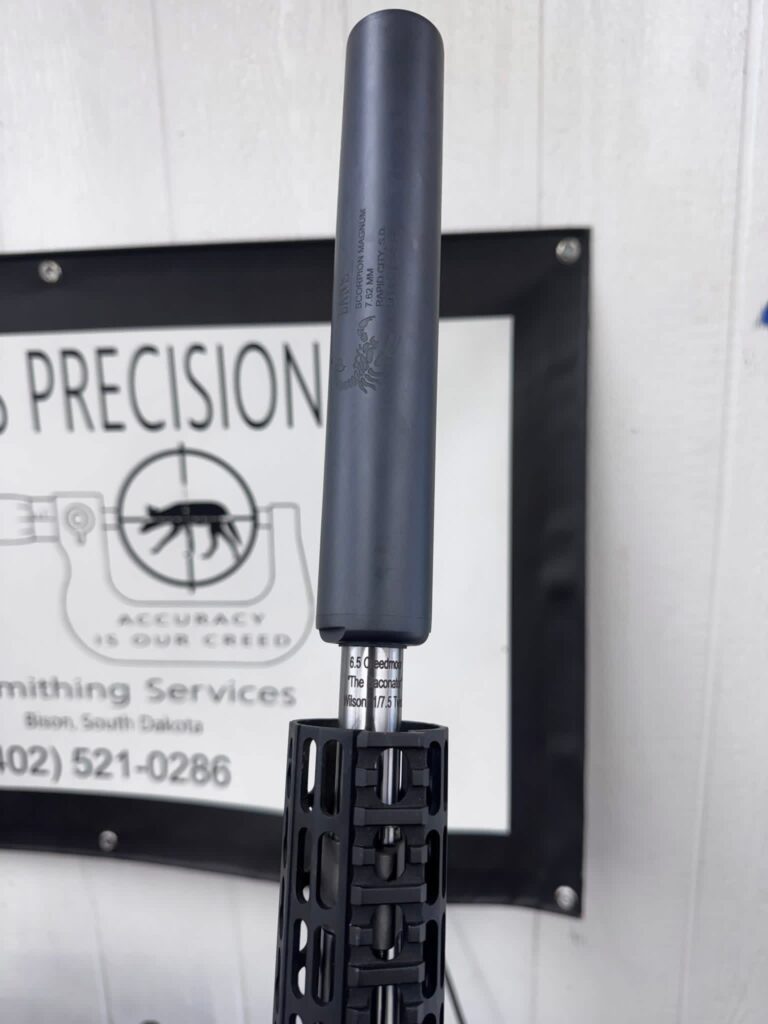
Rifle setup and staying reliable Don’t go lightweight here. I ran a 16.5″ bull barrel with a 9″ can – short enough to get in and out of the truck, heavy enough to soak up recoil when you’re dumping 20-30 rounds in a short span. A heavy rifle helps you stay on target for follow-ups and quick shots on runners.
Don’t take a fresh build to your first hog hunt. Run a few hundred rounds through it. Make sure it feeds with the mags you’ll use. Tight match chambers and brand-new parts can bite you when you’re humping ammo all night – polish the chamber, set a touch of headspace tolerance, and break in new gas rings (run ~50 rounds). My only hiccup for the night was when a full mag + one in the chamber added drag on the BCG and short-stroked – a small thing that’s easy to avoid after testing.
Make it run clean
Anything that helps the rifle run cleaner and cooler is worth it: extended gas systems, adjustable gas blocks, matching your buffer system. On my 16.5″ 1 ran a rifle-length gas setup – keeping pressure on the brass a bit longer before the bullet leaves helps reliability when you’re spitting 100-150 rounds a night. Small problems that show up in a short range session will absolutely shut you down after a hundred rounds in the dark – and trying to fix that while hogs are running everywhere is no fun.
Quick recap
Use a round with real knockdown power – heavy bullets with mass. A heavier, handy rifle makes follow-ups and recoil management easier. Bring a proven rifle that’s been broken in (150+ rounds). Do everything you can to make the rifle run clean and reliable. Thanks for reading – 1 loved the trip and picked up a ton of useful lessons. If you’ve got tips, questions, or your own hog-hunt stories, drop them below.
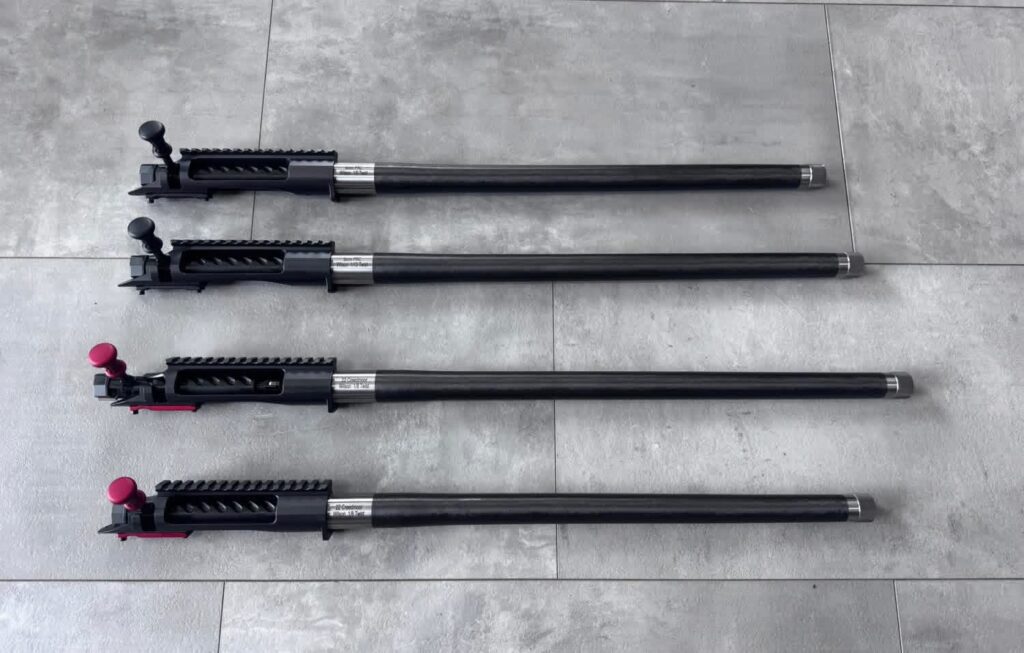
I talked with Tyler at Sherman Wildcats yesterday and I was really impressed with his business model – he’s filling niches a lot of wildcatters ignore. I’ve had a fair number of customers asking about Sherman rounds, so this was great timing.
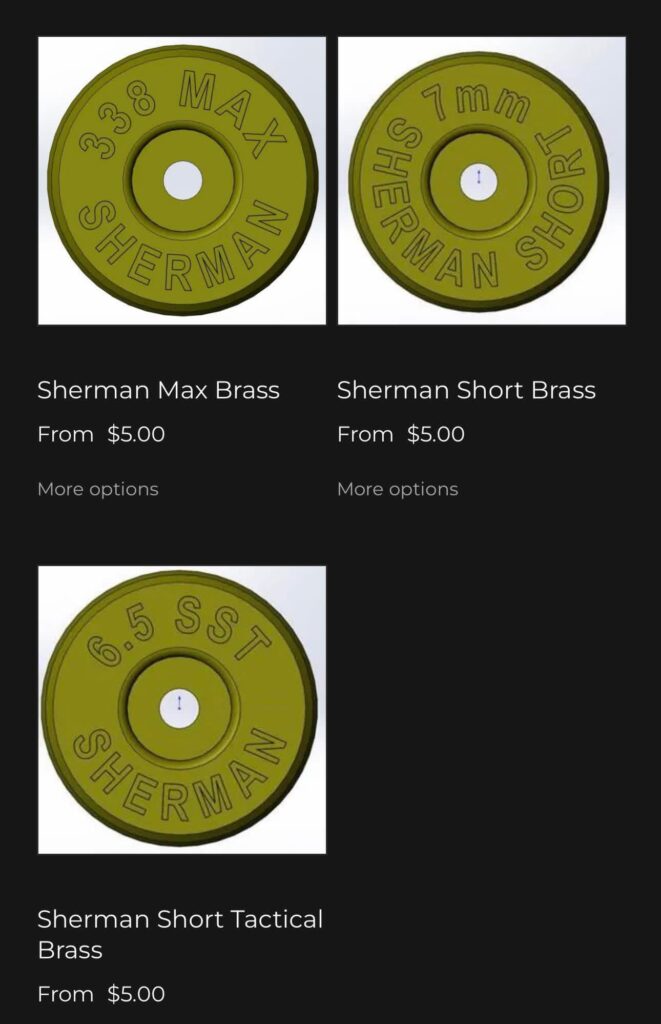
I’m not usually a fan of wildcats because most don’t have factory head-stamped brass – but what’s neat about Sherman is that it does. Most of their brass is fire-formed, too. We’ll probably start buying reamers for these as customers request them.
The round that caught my eye is the 25 Sherman SST
– essentially a shortened 7mm SAUM with a 30° shoulder and more case capacity than a 6.5 PRC.
Rumor has it it’ll launch a 135-gr Berger Hybrid at 3000 fps even from a short 20″ barrel. With a .650 bc it should make an outstanding long-range deer and coyote rifle.
Go check them out: Sherman Wildcat Cartridges (and their Facebook group).